Game development company in Oman
Game development company in Saudi Arabia
Game development company in Bahrain
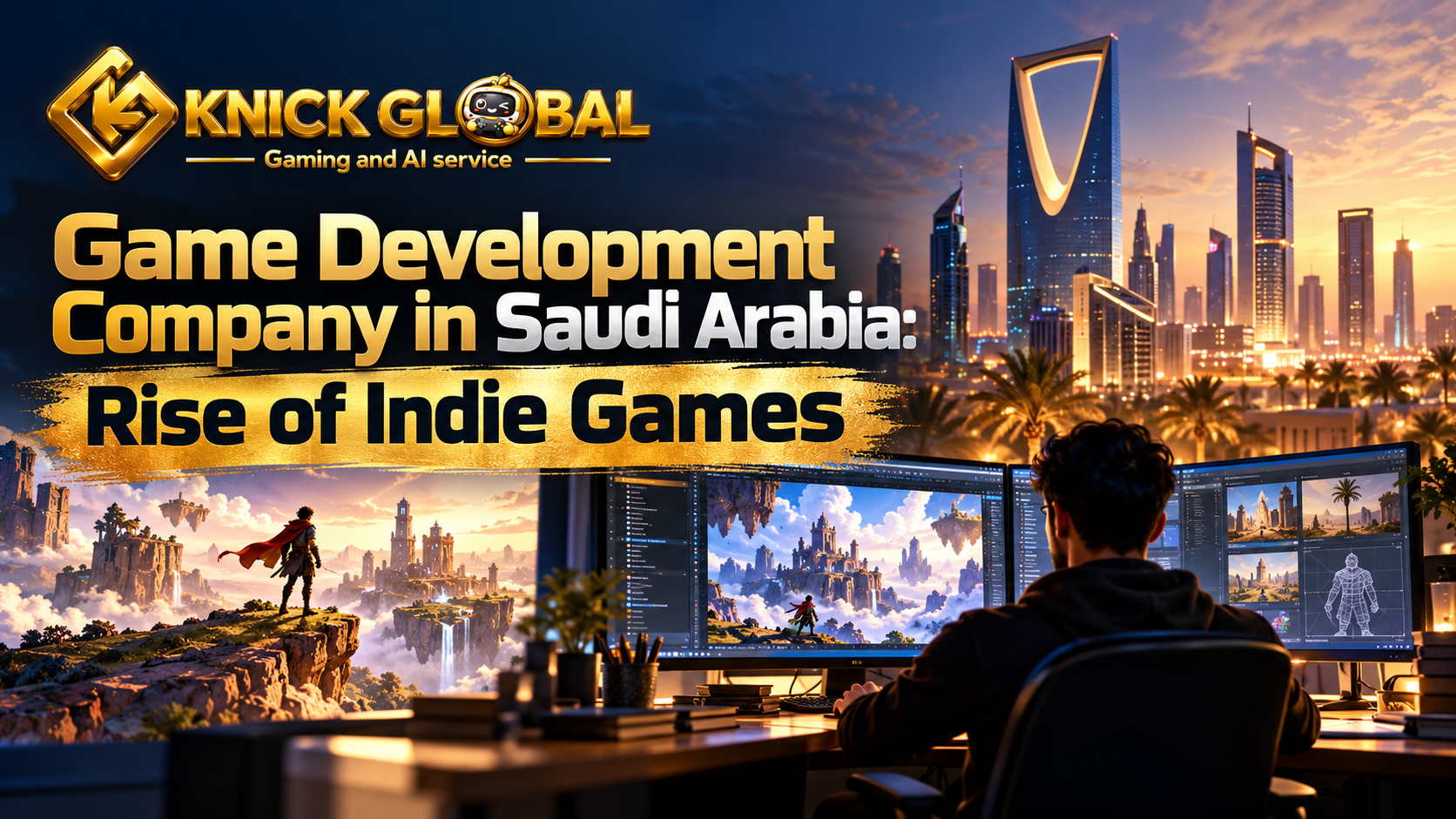

The gaming industry is changing rapidly in 2026. Players are looking for fresh ideas, creative stories, and games that offer something different. As a result, indie games are gaining attention across the global market. Small development teams can now create memorable gaming experiences without the resources of a large studio.
Saudi Arabia is also creating new opportunities for gaming businesses. With growing interest in digital entertainment, esports, and game creation, developers have more reasons to explore original concepts. A game development company in Saudi Arabia can help turn these ideas into playable products for local and international audiences.
However, indie gaming isn't only about making games with a small budget. It's about understanding players, choosing the right technology, and building an experience people want to return to.
So, what makes indie games important in 2026? Let's explore the latest trends, changing player expectations, market opportunities, and ways we can build successful indie games across Saudi Arabia and the wider GCC.
Indie games are created by independent developers or smaller studios. These teams often have more freedom to experiment with gameplay, art styles, and storytelling.
Unlike large productions, indie projects don't always need massive worlds or realistic graphics. A simple idea can become successful when the gameplay is enjoyable and the experience feels different.
For example, players may enjoy a short puzzle game, a relaxing farming simulator, or a challenging survival adventure. What matters most is the quality of the experience.
As a game development company in Saudi Arabia, we can help businesses explore these opportunities through focused development plans and creative game concepts.
Several factors are supporting the rise of indie games:
Moreover, smaller projects can be easier to test. We can release a prototype, collect feedback, and improve the gameplay before investing in a larger production.
Graphics still matter, but they aren't the only reason people play games. In 2026, many players want original mechanics, meaningful choices, and stories that feel personal.
A game doesn't need a huge map to keep players interested. Instead, it needs a clear purpose and enjoyable gameplay.
For instance, an indie adventure game could focus on solving mysteries in a small town. Another project might offer short tactical battles or creative building challenges.
These ideas can work because they give players something specific to enjoy.
When we plan a game, we should ask a few basic questions:
A game development company in Qatar can use the same principles when creating games for local brands, startups, and entertainment businesses. The key is to understand the audience before deciding how the game should look or work.
Cozy games focus on relaxing activities rather than constant competition. Players may grow crops, decorate homes, care for animals, craft items, or build friendly communities.
These games offer a different pace. Instead of fighting difficult enemies, players can enjoy small goals and steady progress.
In 2026, this style remains a useful direction for indie developers who want to reach casual audiences. It can also appeal to people who prefer creative activities over competitive play.
We can develop cozy games around different themes, such as:
Furthermore, these games can support regular updates. New items, seasonal events, and additional areas give players reasons to return.
A game development company in Bahrain can help shape these concepts into polished experiences for mobile, PC, or other suitable platforms. However, the platform should match the gameplay and the habits of the target audience.
Roguelike and roguelite games are popular choices for developers who want to build replayable experiences. These games often use changing levels, random rewards, challenging enemies, and repeated attempts.
Each run can feel different. Players learn from their mistakes and try new strategies.
This structure can work well for indie projects because it creates variety without requiring an entirely new world for every session.
For example, we could develop a dungeon adventure where players collect different weapons during each run. Alternatively, a survival game might generate new maps and challenges every time a player starts again.
Useful design features include:
Still, replayability needs balance. If a game feels unfair or too repetitive, players may stop playing.
A game development company in Kuwait can help plan the core gameplay, progression system, level design, and reward structure. Together, these elements can make a small game feel fresh over time.
Survival games challenge players to manage resources, build shelters, explore dangerous places, and stay alive. Crafting systems allow them to create tools, weapons, and useful items.
These features give players clear goals. They also encourage experimentation.
For indie developers, survival games offer several design options. We can create a compact island adventure, a desert survival experience, or a cooperative game where players gather resources together.
Regional inspiration can also help a game stand out. For example, a project designed around desert exploration could feature water management, changing weather, ancient ruins, and resource collection.
However, the setting should support the gameplay. A unique location alone won't make a game successful.
We also need to decide whether the experience will be single-player or multiplayer. Multiplayer can increase social engagement, but it may require additional server systems, networking, testing, and maintenance.
A game development company in Oman can explore survival and exploration concepts suited to different audiences. With careful planning, we can create a distinct experience without making the project unnecessarily complex.
Players often remember games because of their stories. A well-written character or an unexpected choice can make a small game feel meaningful.
Story-driven indie games don't need long cinematic scenes. They can use dialogue, exploration, environmental details, and player decisions to move the story forward.
For example, a mystery game might reveal its plot through letters and hidden objects. A narrative adventure could let players choose how to respond to other characters.
These features encourage players to become part of the story.
When developing a narrative game, we should focus on:
In addition, localization can help us reach more audiences. Arabic language support may make a game more accessible to players in Saudi Arabia and other GCC markets.
A game development company in Saudi Arabia can help bring together storytelling, art, sound, and gameplay to create a complete experience.
Players use different devices. Some prefer smartphones, while others enjoy PC or console gaming.
Cross-platform planning can help developers reach more users. However, building for multiple platforms from the beginning requires careful technical decisions.
For example, a fast-paced action game may need different control layouts for touchscreens and controllers. A strategy game may need larger menus and more detailed information on PC.
Therefore, we should choose platforms based on the game rather than trying to support every device immediately.
A practical development plan may include:
For businesses exploring regional opportunities, a game development company in Qatar can help plan a platform strategy that fits the target market, development budget, and intended audience.
AI tools are changing parts of game development. They can support testing, coding assistance, dialogue drafts, asset workflows, and player behavior analysis.
For small teams, these tools may help reduce repetitive work. As a result, developers can spend more time on gameplay, design, and testing.
However, AI shouldn't replace the creative direction of the project. We still need to review generated material, maintain a consistent art style, and check technical quality.
AI can be useful for tasks such as:
Even so, we must consider licensing, originality, privacy, and the quality of generated content.
A game development company in Bahrain can evaluate which tools suit a project and where human review remains necessary. The goal is to improve the workflow, not add technology without a clear benefit.
A creative game also needs a sensible business plan. Developers should understand how the project will earn revenue before production grows too large.
The best model depends on the genre, platform, audience, and expected playtime.
Common options include:
However, revenue features shouldn't damage the experience. Excessive advertisements or unfair purchases can push players away.
We should also consider production costs, marketing, platform fees, ongoing updates, and customer support. A clear financial plan helps us set realistic goals and decide which features are worth building first.
Saudi Arabia and other GCC markets provide opportunities for businesses interested in interactive entertainment. Yet, each market has its own audience preferences, business needs, and distribution challenges.
That means regional expansion requires more than changing a game's language.
We should consider cultural relevance, payment options, device use, marketing channels, and local player feedback.
For example, a game inspired by regional architecture, landscapes, or traditional stories could offer a distinctive identity. At the same time, its gameplay should remain accessible to international audiences if global growth is a goal.
Our regional approach can support different project needs:
These are potential creative directions, not guaranteed market trends. We should validate each idea through audience research and early testing.
Successful development starts with a clear plan. We need to define the core idea, target audience, platform, budget, and main features before production begins.
Our development process can follow these steps:
Starting with a prototype can reduce risk. It lets us test the main idea before spending heavily on extra content.
We should also leave room for change. Early feedback may show that a feature needs improvement or that a different gameplay direction would work better.
Indie games are creating new opportunities through original ideas, replayable gameplay, strong storytelling, and focused development. In 2026, smaller teams can explore genres such as cozy games, roguelikes, survival adventures, and narrative experiences while reaching audiences across different platforms.
For businesses in Saudi Arabia and the wider GCC, the opportunity begins with understanding what players enjoy. The right concept, a realistic development plan, and regular testing can help turn an early idea into a complete gaming product.
At Knick Global, we help businesses transform game concepts into engaging digital experiences through game design, development, testing, and ongoing support. Whether you're planning an indie adventure, a survival game, or a new interactive product, we can help you choose a suitable approach and build around your business goals.
Knick Global
King's Road Tower, Floor 26, Unit 2607, Al Shati District, Jeddah 23412
+966 541002907
deepak@knickglobal.com
https://knickglobal.com